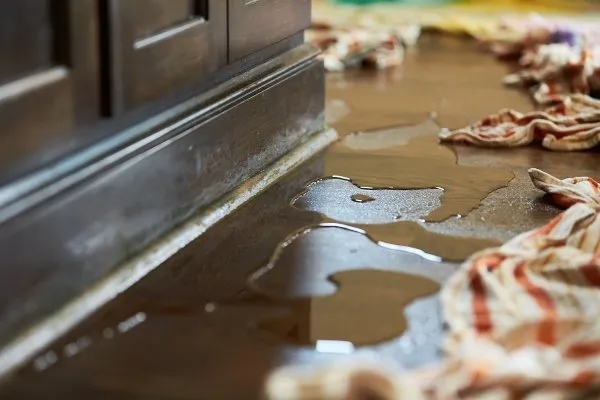
Flooding can happen fast and leave homeowners feeling overwhelmed. In Fort Dodge, IA, flooding may come from heavy rain, snow melt, plumbing failures, or water backing up into basements and lower levels of a home. Knowing what steps to take immediately after flooding can make a major difference in limiting damage and protecting your property.
Water damage becomes more severe the longer moisture is left untreated. Acting quickly and following the right process helps reduce repair costs, prevent mold growth, and restore your home safely.
Step One Make Sure the Area Is Safe
Safety always comes first after flooding. Before entering flooded areas, turn off electricity if water has reached outlets or electrical equipment. Avoid standing water when power is still active, and never touch electrical systems while wet.
If flooding is severe or structural damage is suspected, it is important to wait until the area is declared safe. Floodwater can hide hazards such as sharp debris, weakened flooring, or contaminated materials.
Step Two Stop the Source of the Water
Once the area is safe, the next step is identifying and stopping the source of the water if possible. This may include shutting off the main water supply, repairing a burst pipe, or redirecting water away from the foundation.
Stopping the water source prevents additional flooding and allows restoration efforts to begin effectively. If the source cannot be stopped immediately, professional water damage restoration may be required right away.
Step Three Remove Standing Water Quickly
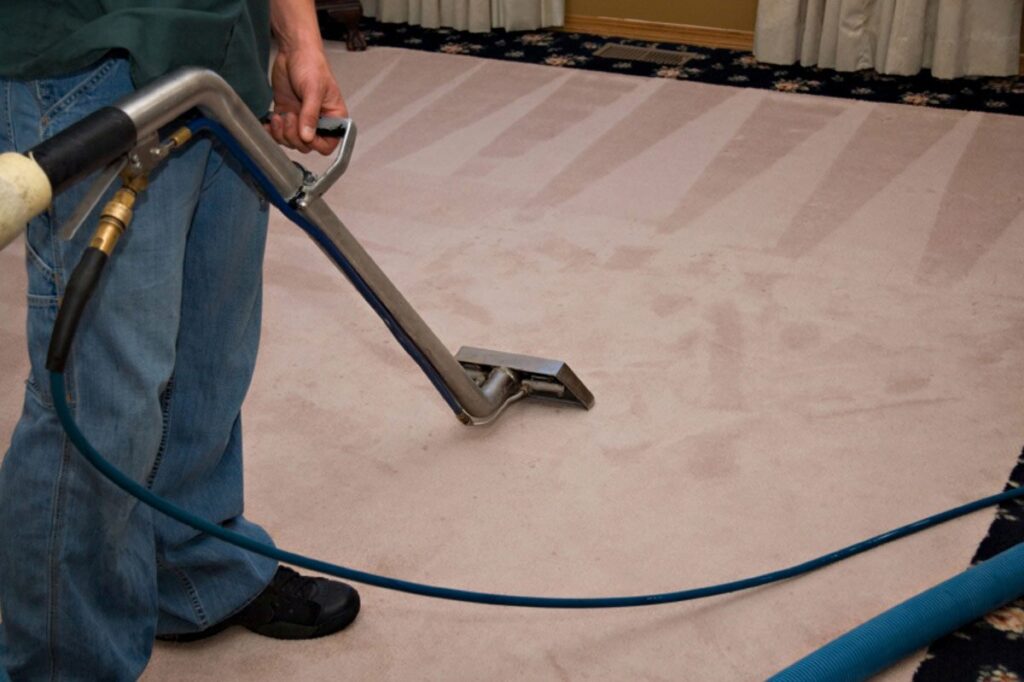
Standing water causes damage to floors, walls, and furniture and creates the ideal environment for mold growth. Water should be removed as soon as possible using pumps, wet vacuums, or professional extraction equipment.
In Fort Dodge homes, basements are often the most affected area during flooding. Quick water removal helps limit moisture from spreading into structural materials and neighboring rooms.
Step Four Dry and Dehumidify Affected Areas
After standing water is removed, drying becomes the most critical step. Moisture remains trapped in flooring, drywall, insulation, and air even when surfaces appear dry. Professional drying equipment such as air movers and dehumidifiers is used to remove this hidden moisture.
Drying must be controlled and thorough to prevent secondary damage. Skipping this step or relying only on fans often leads to lingering moisture and mold issues later on.
Step Five Remove Damaged Materials
Some materials cannot be saved after flooding. Soaked carpet padding, insulation, drywall, and baseboards may need to be removed to prevent mold growth and odors. Removing damaged materials allows deeper areas to dry properly and prepares the space for restoration.
In Fort Dodge properties, basements and lower levels often require material removal due to prolonged water exposure. A professional assessment helps determine what can be restored and what must be replaced.
Step Six Monitor Moisture Levels
Drying is not complete until moisture levels return to safe and stable ranges. Moisture meters and monitoring tools are used to track progress and ensure all affected areas are fully dry.
This step is essential because hidden moisture can remain behind walls and under flooring. Monitoring ensures the structure is safe and ready for repairs or reconstruction.
Step Seven Prevent Mold Growth After Flooding
Mold can begin developing within days after flooding if moisture is not properly removed. Preventing mold growth requires thorough drying, removal of contaminated materials, and proper airflow throughout the space.
Fort Dodge homeowners should take mold prevention seriously after any flooding event. Professional water damage restoration helps reduce the risk of mold and protects indoor air quality.
Step Eight Clean and Sanitize Affected Areas
Floodwater often carries dirt, bacteria, and contaminants into the home. Cleaning and sanitizing affected surfaces is necessary to restore a healthy living environment.
This includes disinfecting hard surfaces, cleaning restorable materials, and removing odors caused by moisture and contamination. Proper sanitation is an important part of flood restoration and should not be skipped.
Step Nine Restore and Repair the Property
Once drying and cleanup are complete, restoration can begin. This may include repairing drywall, reinstalling flooring, repainting surfaces, and returning the space to its original condition.
Restoration helps homeowners move forward after flooding and ensures the property is safe, functional, and comfortable again.
Common Mistakes Homeowners Make After Flooding
Many homeowners wait too long to address water damage, assuming it will dry on its own. This often leads to mold growth, structural issues, and higher repair costs.
Another common mistake is removing surface water without addressing moisture trapped in walls and floors. Professional water damage restoration addresses the full scope of damage and prevents recurring problems.
Why Professional Water Damage Restoration Matters in Fort Dodge, IA
Flooding impacts every home differently. Professional water damage restoration provides the tools and experience needed to assess damage accurately, dry structures properly, and restore properties safely.
In Fort Dodge, IA, trained restoration teams understand local building conditions and common water damage risks. Their expertise helps homeowners recover faster and with greater confidence.
Moving Forward After Flooding
Flooding can disrupt daily life and cause significant stress, but the right response makes recovery manageable. Taking immediate action and following a structured restoration process protects both the home and the people living inside it.
For Fort Dodge homeowners, professional water damage restoration offers peace of mind during a difficult time. With proper cleanup, drying, and repairs, homes can be restored safely and ready for the future.